
Maintenance tips
What Not to Wash With High Pressure
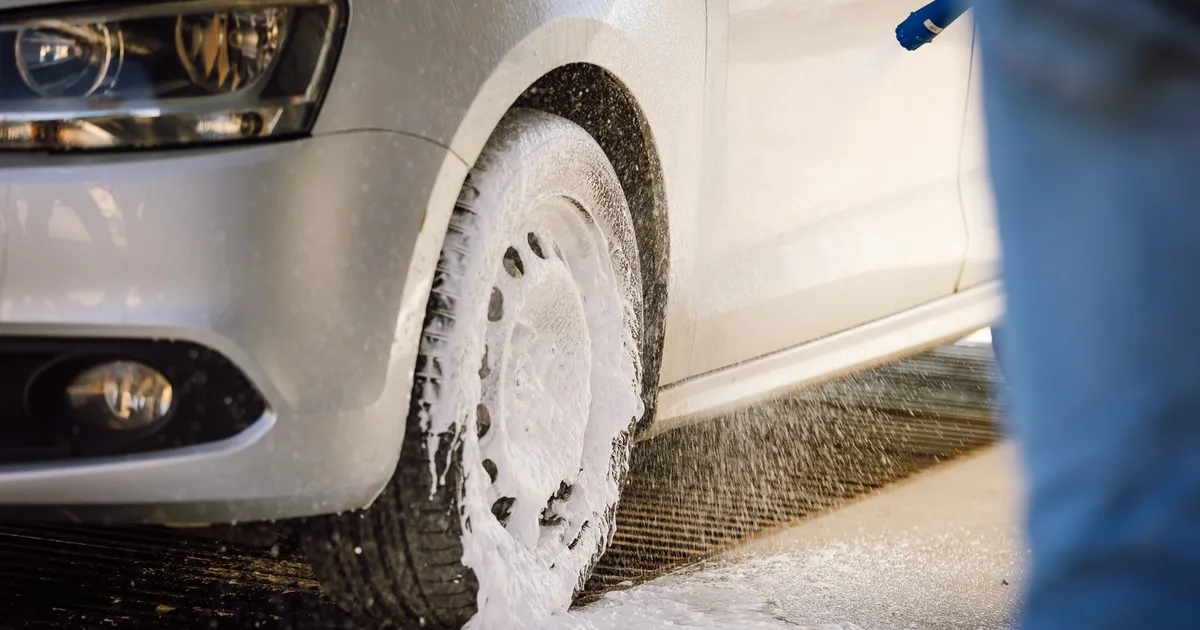
The rinse programs at Wash and Go Livezeni run at standard and boost pressure — enough to lift hardened dirt, but also enough to cause damage if the jet is aimed too close at the wrong spot. A few simple rules will save you from repairs later.
Keep the right distance
Hold the gun at least 20–30 cm from the bodywork and avoid lingering on the same spot. A concentrated jet, held close, can work its way through hairline paint cracks or existing scratches and lift the paint over time.
Areas to avoid or treat carefully
- Rubber seals on doors, windshield, and trunk — direct pressure can deform them or pull them loose from the edges.
- Stickers and decorative film — a close jet can lift them from the corners.
- Edges of plastic trim (bumpers, sills, mirrors) — these can give way if clips are already loose.
- The engine bay, if you pop the hood — pressurized water can reach electrical connectors and sensors; at Wash and Go, the wash is designed for the exterior, not the engine compartment.
- Paint with scratches down to the base coat or early rust — pressure can spread the damaged area.
How to wash safely
Start with a foam prewash program (1 or 2) so dirt loosens without scrubbing and without high pressure hitting bare paint directly. Only then move to the pressure rinse, keeping the jet moving continuously, at an angle rather than perpendicular to the surface.
For wheels caked in brake dust, you can be more liberal with pressure — they’re tough metal surfaces — but avoid bearing seals if they’re visibly exposed.
If you already spot a scratch
If you notice an area where the paint is damaged, avoid hitting that exact spot with pressure at every wash — you risk making it worse. A small local repair, done in time, costs far less than replacing a rusted-out panel.