
Maintenance tips
Winter Car Washing Without Damaging the Paint
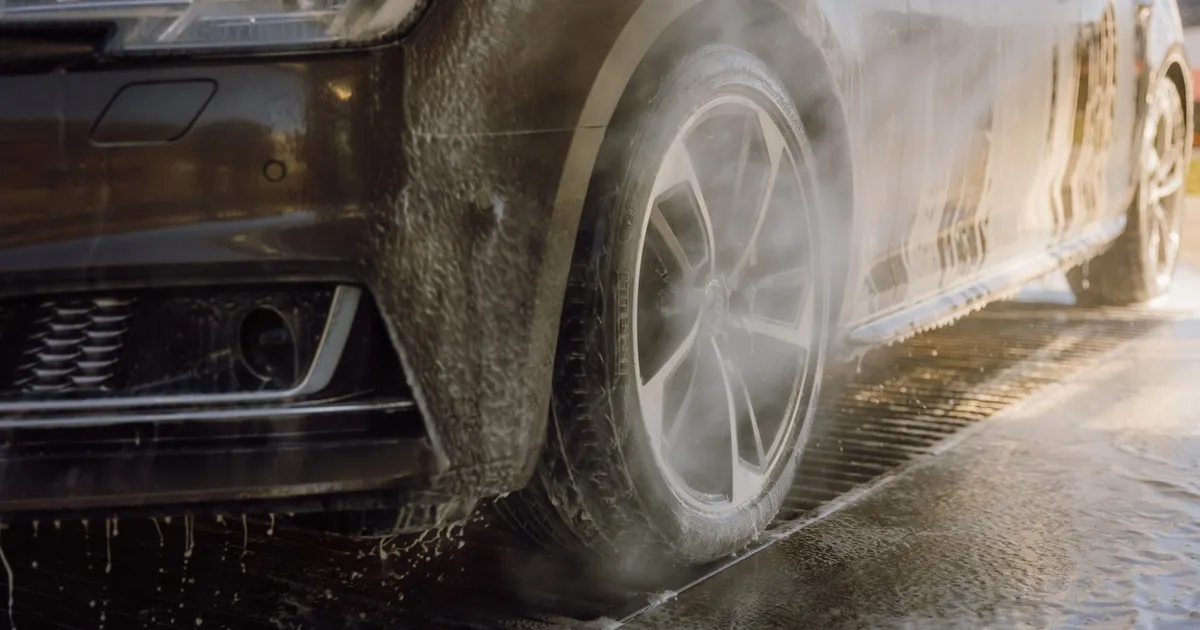
In winter, road salt and calcium chloride stick to the bodywork, and if left too long they can attack the paint and metal parts. A proper wash, done regularly, is the simplest protection. At Wash and Go Livezeni you can do this yourself, any time between 06:00 and 22:00, with hot water available from the very first programs.
Why the order of programs matters
For winter, the panel offers a dedicated hot-water-with-foam prewash (program 1), specifically so hardened salt and mud loosen up before the pressure jet ever touches the bodywork. Skip this step only if the car is already visibly clean.
- Hot water and foam prewash — softens salt and hardened mud on the body, wheels, and wheel arches, where chloride builds up the most.
- Active foam — for visibly cleaning large surfaces.
- Cold or hot water rinse, at standard pressure — removes the foam and the loosened dirt.
- Wax — leaves a protective layer that helps water run off and reduces the risk of remaining droplets freezing.
- Osmosis — the final spot-free rinse, especially useful in winter when water is slower to dry and leaves visible marks if it carries minerals.
Watch the rubber seals
Water left on door and trunk seals can freeze and stick the car shut. After washing, wipe the seals dry with a cloth or leave the doors slightly open for a few minutes before you leave, especially if it’s below freezing outside.
Don’t wash right before a hard freeze
If you know a night of severe frost is coming, avoid a full wash shortly before it — water that doesn’t drain off door sills, hinges, and locks can freeze in place. Schedule your wash for the morning or midday, when temperatures are a bit higher.
The untaxed pause
Program 9 is a free pause of up to 2 minutes — use it to check any areas that are still dirty (wheel arches, bumper) before continuing with a rinse program, instead of paying for extra time on the wrong program.